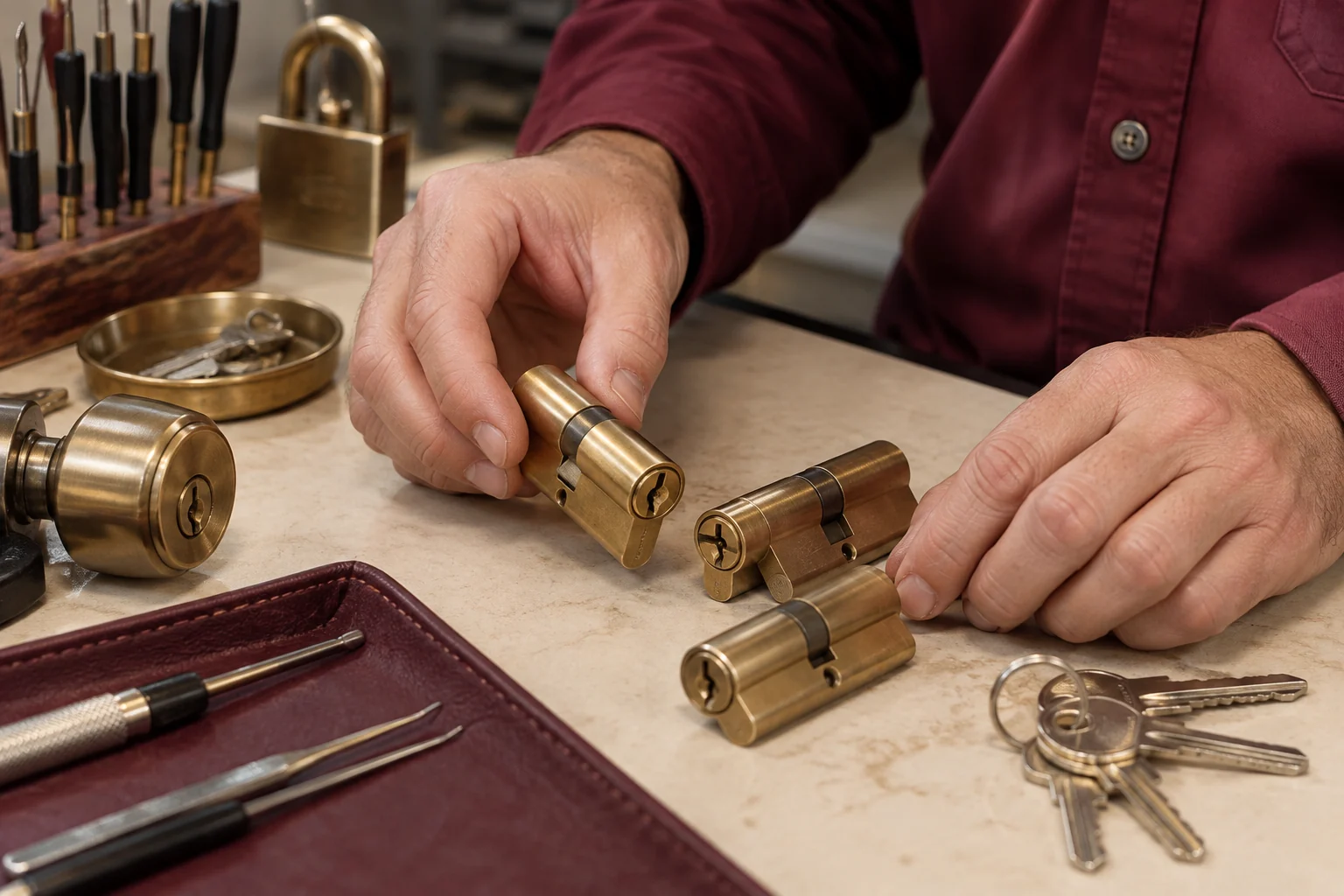
Lock Installation in Dania Beach
Putting in a new lock sounds simple until you face the choices: grade, finish, key type, door fit and what happens when the weather gets at it. This is general guidance for people in Dania Beach planning an installation.
Call (954) 888-8804Why people replace a lock instead of repairing it
Most installations begin with a reason. A lock is worn out, a key no longer turns smoothly, a door was damaged, a house was just bought, or a tenant is moving in and the old hardware looks tired. Sometimes the reason is plain curiosity about whether the current lock is good enough. Each of these leads to the same question: repair, rekey, or install something new?
Repair makes sense when a single part has failed and the rest of the lock is sound. Rekeying is right when the lock works but the keys in circulation are a concern. New installation is the answer when the hardware is damaged, mismatched, outdated or simply not up to the job the door asks of it. A locksmith can look at the door and tell you which situation you are in.
This page is general guidance for people in Dania Beach, written without claims about specific streets or developments. For the related question of whether to keep a lock and change only its keys, read the guide to lockouts and rekeying for homes, which explains how the two services differ.
It also helps to think about what you want from the change. Some people want stronger protection, some want convenience such as a keypad, and some simply want a handle that looks right after a renovation. Knowing your main goal lets the technician steer you toward hardware that fits, instead of offering every option at once and leaving you to sort through them.
The parts of a door lock worth knowing
A lock is not a single object. A typical house door has a deadbolt, a latch set (the handle or knob), a strike plate on the frame and screws that connect everything to the wood or metal. The cylinder is the part your key enters; the bolt is the metal piece that slides into the frame. Each part has its own job, and a weakness in any of them reduces the whole.
The strike plate is the most underrated piece. It is the metal plate on the door frame where the bolt lands. If it is attached with short screws into thin trim, a hard kick can split the frame even when the lock itself survives. Longer screws that reach the structural framing behind the trim make a large difference at very little cost.
If a door has begun to feel loose, sticks, or will not latch, the problem is often alignment, not a failing lock. The guide to a door that will not latch because of strike alignment explains why this happens, particularly as wooden doors swell and shrink with South Florida humidity.
Deadbolt grades and what they tell you
Deadbolts are sold in grades that describe how much punishment they are built to take. The categories reflect tests for things such as turning force, hammer blows and cycle life. A lower grade is suitable for light use, while a higher grade is built tougher and tends to last longer. The label on the box is a good start, though it is not the whole story, since installation matters as much as the lock.
Bolt length matters too. A bolt that extends further into the frame resists force better than a shallow one, and a bolt made of hardened steel resists cutting better than a softer one. The cylinder should also be hard to damage by turning or twisting with tools, which is a feature manufacturers advertise in different ways.
For a plain walk through of the categories, see deadbolt grades explained. If you are comparing several styles on a front door, front door lock types gives a helpful overview of what each type does well and where it falls short.
One caution about numbers on the packaging: a grade tells you how the lock was tested, not how it was installed. A top grade bolt set into a weak frame with short screws is only as strong as the frame. Treat the lock and the door as one system, and ask the technician what they will do about the frame as part of the work.
Keyed locks, keypads and smart locks
The traditional lock uses a key. Its strengths are simplicity and independence: no batteries, no software, no signal. Its weakness is that keys can be lost or copied. Keypad locks let you enter a code, which removes the need to carry a key and makes it easy to share access with family or a visitor. Smart locks go further, connecting to an app or home system and allowing remote control and records of use.
Each choice involves a tradeoff. Electronic locks depend on batteries, and they can fail in ways a plain lock cannot, such as a dead battery at the wrong moment. They also vary in quality, so a bargain electronic lock may be less reliable than a good mechanical one. Many people who like the idea choose a model that still has a physical key as a backup.
If you are curious about the options, read about smart locks on the main service page, and the smart lock door fit guide to understand whether your own door suits one. Door thickness, existing holes and the position of the frame all matter.
Think about who uses the door as well. Children, older relatives, a dog walker, a cleaner or a house sitter all have different needs. A keypad that lets you set separate codes for each person can be a convenience, while a plain key may be easier for someone who dislikes electronics. The right lock for your household is the one every regular user can operate without frustration.
Does your door suit the lock you want?
Before buying hardware, look closely at the door. Measure its thickness, check whether the existing holes are standard, and notice whether the door is solid or hollow. A hollow door has little to anchor a heavy lock, and a door with an old, enlarged hole may need a repair before a new lock can sit properly. A door that has warped will fight any hardware you put on it.
The material matters as well. Wood, metal, fiberglass and glass doors each need a slightly different approach. Fiberglass can crack if a hole is cut poorly, and a metal door may need specific bits and care to avoid damaging the finish. Glass doors need a lock designed for that frame, not an adapted residential model.
Take a few photographs of the door edge, the existing lock and the frame before you call. Mention the brand if you know it. These details let the technician prepare and explain the price and the plan before arriving, which saves time and avoids surprises on the day.
If the door is in poor condition, expect the technician to say so. A cracked edge, a swollen bottom or a hole that has been drilled too large may need a repair before any lock can hold properly. It is better to hear this at the start and decide how to proceed than to find out when the new lock will not sit right. Ask what the repair would involve and whether it affects the price.
Sliding doors, windows and the other entrances
The front door gets the attention, but many entries are elsewhere. Sliding glass doors are common in South Florida homes and condos, and their factory latches are often modest. The track can also be a weakness, since a door that lifts out of its track or is forced sideways is easier to defeat. Secondary locks and track blockers add a layer without changing the look of the door.
Windows deserve the same thought, particularly those on the ground floor or those hidden from the street. A window lock that is tightly fitted and used consistently does more than an expensive one left open. In humid conditions, window hardware can corrode, so occasional cleaning and a check that it moves freely are part of ordinary care.
For more detail, see the notes on sliding glass door locks and window lock upgrades. When you plan a new front door lock, add these to the list so the whole house reaches a similar standard.
What the installation visit looks like
The sequence is straightforward. You call and describe the door and the lock you have in mind. The locksmith explains the plan and the price before any work starts. At the door, the old hardware comes off, the new hardware goes in, and everything is adjusted until it works smoothly. Then the finished work is tested with you, and you try it yourself before accepting it.
Testing deserves a little care. Lock and unlock the door several times from both sides. Check that the bolt extends fully and retracts without effort. Close the door gently and then with ordinary force to see if the latch catches. For electronic locks, try every method of entry, including the backup key, and confirm that you understand how to change a code.
Ask for every key that comes with the lock, and keep spares in a safe place at home. If the lock is a restricted type, find out how additional keys are obtained. The reading on high security and restricted keys explains why these keys cannot be copied at a typical kiosk.
Salt air, humidity and finish choices
South Florida is hard on hardware. Moist, salty air attacks some finishes badly, particularly on doors that face the water or sit in direct weather. A shiny finish that looks excellent in the store can pit and flake within a season if it is not suited to the environment. Finishes designed for outdoor exposure, or hardware made of materials that resist corrosion, are worth asking about.
Inside the lock, moisture is the enemy of smooth operation. Cylinders can seize, springs can rust, and electronics can fail. A little care helps: avoid spraying household oils into the cylinder, since many collect dirt and gum up the parts over time. If a lock begins to feel rough, have it examined rather than lubricating it blindly.
Think about where the door sits, too. A covered porch gives hardware some protection, while a door facing the afternoon sun and rain will age sooner, and a door on the shaded side of a building may stay presentable far longer than one facing the afternoon glare. The answer to the finish question should come from a conversation about where the door is and how it is exposed.
Condos, rentals and what you may be allowed to change
Many people in the area live in condos, townhomes or rentals, and the right to change a lock is not always theirs alone. Association rules, lease terms and building policies can restrict which hardware you may install, who must hold a copy of the key, and whether the work must be approved first. This page cannot state those rules, and they vary from building to building.
The practical advice is to ask before you buy. Check your lease or your association documents, or call the manager, and find out what is allowed. If you are a landlord, remember that tenants and local requirements may affect what work you can do and how you must notify them.
Where a change is allowed, discuss it with the locksmith in plain terms: which door, which lock, and whether a copy of the new key needs to go to anyone else. That conversation takes a few minutes and avoids a costly redo.
Keep a copy of any written approval you receive, and take a photograph of the finished door for your records. If a question about the work comes up later, such as an inspection of the unit or a dispute at the end of a lease, those records show what was done and who agreed to it. Landlords and tenants alike are better off when the paper trail is clear.
Strengthening the door while the lock is changing
A new lock is a convenient moment to look at the whole door. Replace short strike plate screws with longer ones. Check the hinges, since screws that have loosened over time weaken the door from the hinge side. Look for gaps around the frame that suggest the door has shifted and may not seat well.
A reinforced strike plate and a properly fitted frame make it harder for a door to be forced open, which is the more realistic threat for many homes than someone defeating the lock itself. The article on stopping door kick ins with a strike plate upgrade describes the logic and the small parts involved.
Also think about what is visible. A door with a window beside it or a lock that can be reached through a broken pane is easy to defeat in a different way. A double cylinder or a position that sits further from the glass may help, though local fire safety rules vary, so ask before choosing one.
Neighboring cities and next steps
Dania Beach is surrounded by other Broward communities, and the same installation advice applies across them. If you live nearby or you are comparing guidance, you may find the pages on lock installation in Hollywood and Davie useful.
When you are ready, start with a phone call. Describe the door, the lock you have now, and what you want from the new one. The technician will explain what the work involves, give you the price before beginning, and test the finished result with you. Keep the keys, the receipt and any instructions together in one safe place, and note the date of installation.
If you decide to wait, at least take the small steps above. A longer screw in the strike plate, a clean cylinder, and a short check of every entrance cost little and improve the whole house.
Common questions
How do I know whether to repair, rekey or replace a lock?
If one part has failed and the rest is sound, repair may be enough. If the lock works but you are worried about who holds keys, rekeying changes the keys without new hardware. If the lock is damaged, worn or unsuitable for the door, replacement is the answer. A locksmith can look at the lock and explain.
What should I check on my door before buying a new lock?
Measure the thickness of the door, check whether the existing holes are standard, and note whether the door is solid or hollow. Look for warping, damage around the old hole and loose hinges. Photographs of the door edge, the lock and the frame help the technician prepare for the work.
Are smart locks a good choice for a home in this climate?
They can be, if you choose a well made model and keep a physical key as a backup. Humidity and salt air can stress electronics, so ask about weather resistance and battery life. Mechanical locks have fewer ways to fail, and some people prefer them for that reason.
Can I install a lock myself and have a locksmith check it?
Some people do, but errors are common: a misaligned bolt, a cracked door, or a strike plate set too shallowly. A locksmith can install the lock correctly, or look over your work and adjust it. Either way, test the lock from both sides before you rely on it.
Do I need permission to change the lock on a condo or rental?
Often yes. Leases, association documents and building policies can limit what you may install and who must hold a key. These rules vary, so ask your landlord, manager or association before the work. If you own the property and rent it out, ask about notice requirements too.
What should I receive when the installation is finished?
You should have all the keys that belong to the lock, instructions for any electronic features, and a working test with the technician beside you. Lock and unlock several times, try the backup key, and make sure you understand how to change codes. Keep the paperwork and spare keys together.
Talk through the job before work begins
Tell us what happened, which doors or keys are involved and who needs to get in. The price and the plan are agreed with you before any work starts.
Call (954) 888-8804