Start with who actually controls the door
When you own a house, the door is yours and every choice is simple. When you rent, the door sits in a shared space. You live behind it, but the lock, the frame and often the key control belong to someone else. That shapes every step you take after the door closes behind you.
Take a moment to think about what kind of building you are in. A small complex with an on site manager is different from a single unit owned by a private landlord, and both are different from a condo that is rented out by its owner. Each of those has a different person to call first.
The point is not to create worry. It is to be sure that whatever you do next does not cause a problem with your lease. Your goal is to get back inside with the door and the lock left in the same working condition they were in when you went out.
If you are unsure who the right contact is, look at the paperwork you signed when you moved in. Names and instructions for maintenance and emergencies are often written there. Keeping a photo of that page on your phone means you can find the right number even when your keys, your bag and your patience are all on the wrong side of the door.
Call the people who may already have a key
Before you think about a locksmith at all, find out whether a key already exists nearby. Many rental properties keep a spare with a manager, a maintenance office, a leasing office or the owner. A short call can end the whole problem without a tool ever touching the door.
If you have a roommate, a partner or a family member who lives in the unit, call them as well. A person who is nearly home is the simplest key you will ever find. It is worth a text even if you think they are far away, since people often turn out to be closer than you expect.
Be ready for the possibility that the office has a procedure for lockouts. Some buildings ask for ID, some ask you to wait, and some have rules about who may be let in. Those procedures vary from one property to the next, so ask what applies at yours and follow the answer.
Some buildings run a lockout routine through the maintenance team, with set steps and sometimes a set process for verifying who you are. Others leave it to the tenant. Neither approach is wrong, but you will avoid confusion if you ask early which one applies, rather than learning it after you have already made calls elsewhere.
Read the lease for the lockout section, if there is one
Your lease may say something about lockouts, lock changes or outside service providers. Some leases forbid changing or adding locks without written approval, and others say you must notify the office before any work is done on the door. Rules differ, so the lease in your own hands is more reliable than a general article.
If you cannot find a clear answer, ask the property contact directly. A simple question such as whether you may call a locksmith to open the door without harming it usually gets a plain reply. Ask them to answer by message when you can, so you have a record.
Keep the tone calm and cooperative, even if you are tired and the evening has already gone sideways. Most landlords and managers simply want the door to remain secure and undamaged, and they are often relieved when a tenant handles a problem politely. A clean, quiet entry protects your relationship with the building and your own peace of mind.
If your lease says nothing, treat that as a reason to ask, not as permission to do whatever is easiest. Silence in a document does not always mean the answer is yes. A short, friendly message to the office can turn a gray area into a clear instruction, and it takes only a minute to send.
What a locksmith needs before touching a rental door
A responsible locksmith will want to know that you live in the unit before opening it. That usually means a government ID with your name and some proof that the address is yours, such as a lease, a utility bill or a piece of mail. This is not a judgment of you, it is the habit that stops strangers from being let into other people's homes.
Be ready to describe the door and the lock type. Is it a deadbolt, a knob lock, a lever handle, a smart lock or a keypad? Is there a second lock on the door, such as a chain or a bolt, that you may have engaged from the inside? The more precisely you describe it, the better the plan.
You will also be asked where you are and how the building is arranged. A gate, a code, a staffed office or a key fob entry system all affect how a technician reaches your door. If someone must let them in, arrange that before they arrive so no time is wasted.
It also helps to keep a recent photo of your lease and ID on your phone. If you are locked out of the unit but still have your phone, those photos can answer most of the verification questions on the spot. Treat them as private documents and keep your phone locked, since they contain personal details.
- Photo ID that matches the name on the lease or the account.
- Proof that the unit is your home, such as a lease or recent mail.
- A description of the lock: deadbolt, knob, lever, keypad or smart lock.
- Directions for any gate, entry code or office that controls access.
- The name and contact of the property manager or owner if you can reach them.
How a lockout is opened without harming the door
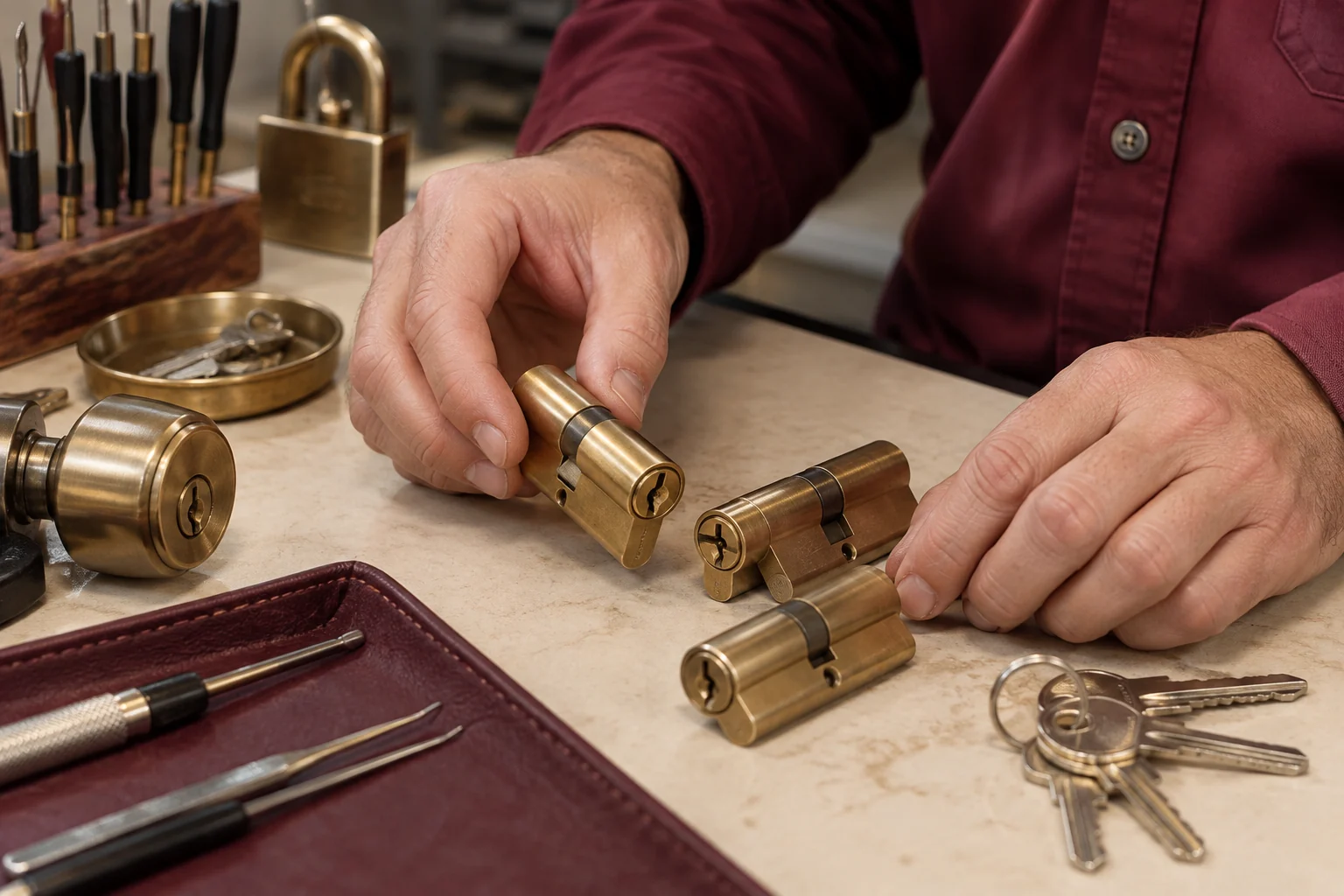
The aim of a careful lockout service is to open the door and leave the lock exactly as it was. Many common residential locks can be opened without drilling or breaking anything, using methods a trained technician understands well. The result is a door that still locks, still fits its frame and still holds your key.
There are cases where opening without damage is not possible, such as a lock that is already damaged or a specialty high security cylinder. In those cases, the technician should tell you before any work starts, explain why, and describe the options. You should never be surprised by damage you did not agree to.
Whatever the method, the finish is the same. The technician tests the lock with you, checks that the key works, and makes sure the door closes and latches properly. If you rent, that test is the proof that you left the door the way you found it.
Do not be alarmed if a technician takes a careful look at the door before beginning. They may check the type of lock, how the door sits in its frame and whether another lock has been engaged. That time is spent protecting the door, and a calm explanation of what they see is a good sign that they know the work.
Why damaging the door is the worst way to solve it
It can be tempting to force a door, remove a hinge pin or break a nearby window when you are tired and locked out late in the evening. In a rental, that choice carries extra weight, because the door and frame belong to someone else. Repairs may be charged back to you, and a damaged entry can become a lease problem long after the lockout is forgotten.
A forced door can also leave the apartment unsecured while you wait for a repair. In a building where other people share hallways and stairs, that is a safety issue for you and your neighbors. A door that no longer latches is a door that invites trouble, however briefly.
Sliding glass doors and windows deserve the same caution. In Florida, balcony and patio doors often open to shared outdoor space, and climbing or forcing them risks injury as well as damage. Our guide to sliding glass door locks explains why those doors need careful handling.
There is also the matter of the neighbors. A forced door makes noise, draws attention and can raise worry in the hallway. A quiet, controlled opening is easier on everyone, from the tenant to the person next door, and in a building where people live close together, that courtesy counts as part of being a good neighbor.
When a lost key means more than a lockout
There is a difference between locking your keys inside and losing them. If the keys are inside the unit, opening the door solves the problem. If the keys are gone, the question becomes who might find them and whether they could know where you live.
Losing a key outside your home can be a security matter even if nobody ever misuses it. Your lease may require you to tell the office about a lost key, and the office may decide whether the lock should be changed. That decision belongs to the property, so ask what the process is before you act on your own.
If a lock is going to be changed or rekeyed, our explanation of how rekeying a lock works shows what that work involves. For the bigger picture of what to do after losing a set of keys, read lost house keys: rekey or replace and discuss the choice with the property contact.
If a lock does need to be changed because keys went missing, think about who else holds a key. Roommates, cleaners, relatives and a dog walker may all have copies. Make a short list of who should receive a new key, and tell them about the change, so nobody is surprised by a key that no longer fits.
Night, weather and other conditions that change the plan
A lockout in daylight with a mild afternoon is a nuisance. A lockout late at night, in a thunderstorm or with a baby or pet inside is something else. In South Florida, sudden downpours and heavy heat can turn a short wait into a real discomfort, so protect yourself first.
If you are outside in bad weather, move to a covered, well lit spot that others can see, such as a lobby or a covered walkway. Do not wait in a parking lot in the dark if there is a safer place. Our article on being locked out in bad weather goes through the basics.
If anyone or anything is inside and in danger, the situation changes at once. Call emergency services first, then follow their guidance. Our page on a lockout with a pet or child inside explains how to think about urgency and who to contact.
Pets and plants have their own schedules, too. If you are going to be outside for a while, think about whether a pet inside has water and shade, and whether the home can safely stay shut while you wait. A calm assessment of how long the wait might be helps you choose between waiting and finding another place to stay.
Who pays attention to the paperwork afterward
After the door is open, think about the record. Tell the property contact what happened, even if you handled it yourself, especially if a lock was changed or the door was touched. A short message sent afterward keeps everyone on the same page and protects you.
If the work involved a new key, a rekey or a lock change, ask whether the property needs a copy. Some buildings require that management always holds a working key, and a change that leaves them without one can cause a conflict. Agree on this in advance when you can.
Keep any receipt or written explanation of the service, and note the date, the work done and the person who did it. If a question comes up later about the door or the lock, you have something real to show. Good habits with paperwork are the quiet part of being a careful renter.
If the property expects a copy of any new key, hand it over in person and ask for a note that it was received. This small step avoids the awkward situation where the office believes it has a working key and the lock has quietly changed. Clear communication is the most useful repair in any rental.
Making the next lockout a non event
The surest cure for lockouts is a boring one: a place where the key lives, and a habit of touching it before you close the door. A hook by the entry, a small pouch on your bag or a keychain that clips to your belt loop all work. Choose the system you will actually use.
A spare is a good idea if your lease permits it, and the safest spare is held by a person you trust and not hidden outside. Our guide to smarter ways to hide a spare key explains the risks of the usual hiding places and offers better choices.
If you move to a new place, think about security from the first day. The advice in rekeying locks after moving applies to renters too, though you should ask the property before changing anything. For home lockout and rekey options in general, see the house lockout and rekey service page.
If you share the unit with others, have a conversation about the habit, not about blame. Agree on where keys live, who carries a spare and what to do if someone is stuck outside. A shared plan is more reliable than each person relying on luck, and it makes the next surprise a small one.